

Exploring Uttarakhand is like stepping into a living postcard—where every valley whispers legends, every peak invites adventure, and every temple pulses with centuries of devotion. Here’s a vibrant guide to help you dive into the soul of this Himalayan state:
🕰️ History & Cultural Significance
- Ancient Roots: Uttarakhand’s history dates back to the Stone Age, with archaeological evidence found in places like Lakhudyar in Almora.
- Mythological Importance: Known as Devbhumi or “Land of the Gods,” it’s deeply embedded in Hindu mythology. The region is mentioned in the Mahabharata and Puranas as Kedarkhand and Manaskhand, believed to be the abode of deities2.
- Dynastic Rule: It was ruled by various dynasties including the Kunindas, Katyuris, Chands, and later the British. The Garhwal and Kumaon regions developed distinct cultural identities under these rulers3.
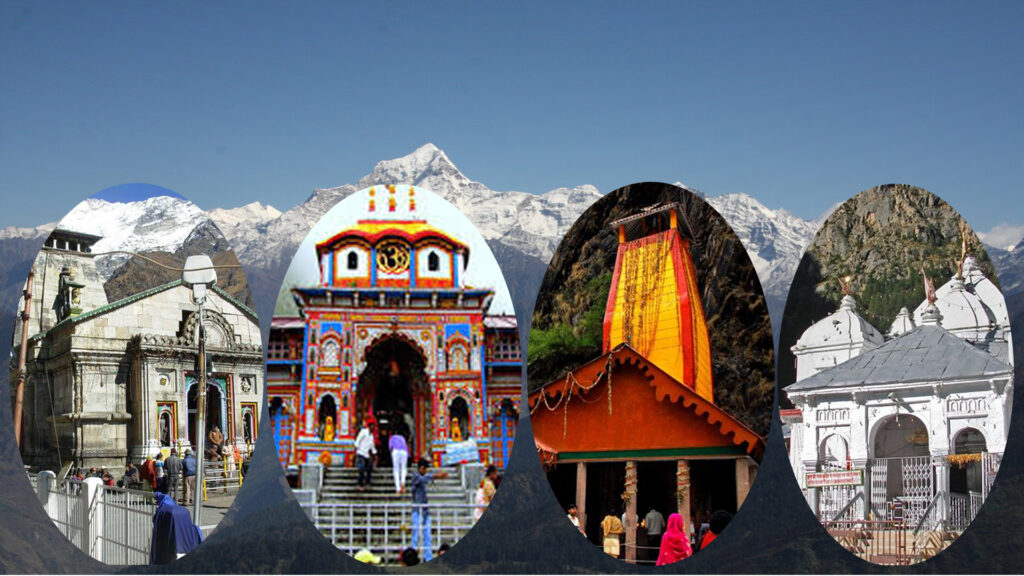
- Spiritual Legacy: Home to the Char Dham—Badrinath, Kedarnath, Gangotri, and Yamunotri—Uttarakhand is a major pilgrimage destination. Adi Shankaracharya helped revive many of these shrines in the 8th century.
- Statehood: After a long struggle, Uttarakhand became a separate state from Uttar Pradesh in the year 2000, reflecting the region’s unique identity and aspirations.
🏞️ Geography
- Location: Nestled in the Himalayas, it borders Tibet (China), Nepal, Himachal Pradesh, and Uttar Pradesh.
- Topography: About 86% of the state is mountainous, and 65% is forested.
- Major Features:
- Highest Peak: Nanda Devi (7,817 m), second-highest in India.
- Rivers: Birthplace of the Ganges and Yamuna, fed by glaciers and lakes.
- Regions: Divided into Garhwal (west) and Kumaon (east), each with distinct cultural and linguistic traditions.
🌦️ Climate
- Diverse Climate Zones:
- Subtropical in the foothills (e.g., Haridwar, Dehradun).
- Temperate in middle elevations (e.g., Almora, Nainital).
- Alpine & Tundra in high altitudes (e.g., Kedarnath, Gangotri)6.
- Seasonal Patterns:
- Summer (Mar–Jun): Mild and pleasant in hills; hot in plains.
- Monsoon (Jul–Sep): Heavy rainfall, especially in lower regions.
- Winter (Dec–Feb): Cold with snowfall in higher altitudes.
- Best Time to Visit: March–April and October–November offer ideal weather for trekking, sightseeing, and pilgrimages.
Uttarakhand is not just a state—it’s a living museum of India’s spiritual, ecological, and cultural heritage. Whether you’re drawn to its sacred temples, snow-capped peaks, or vibrant traditions, it offers a profound experience at every turn.
Would you like to dive deeper into its festivals, wildlife, or trekking routes next?
Tourist Destination
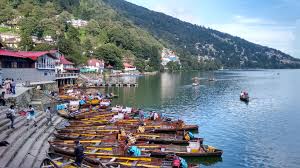
1. Nainital
- Highlights: Naini Lake, Snow View Point, Mall Road
- Best Time to Visit: March to June
- Vibe: Serene lakeside town with colonial charm and boating fun
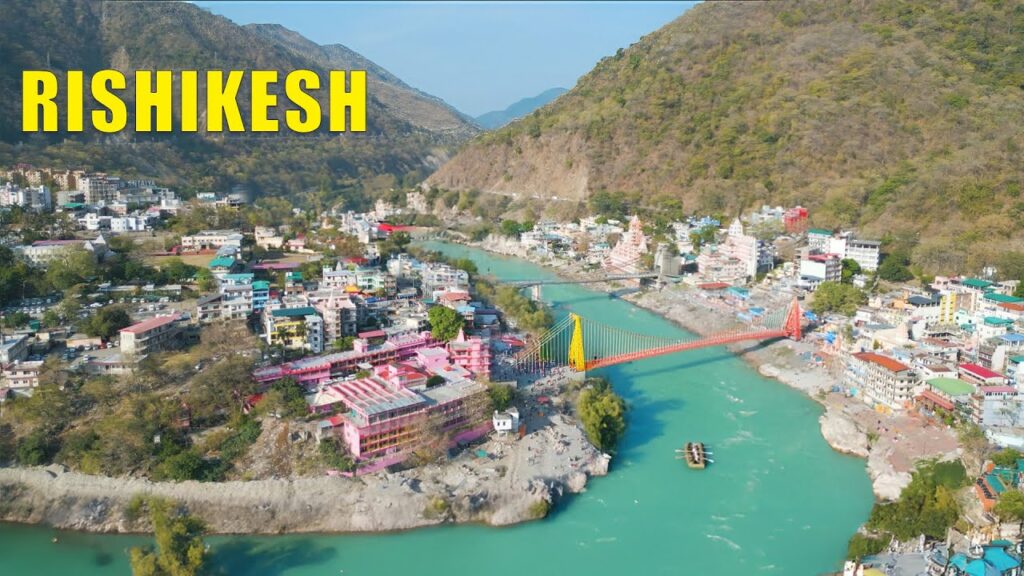
2. Rishikesh
- Highlights: Lakshman Jhula, Triveni Ghat, River Rafting
- Best Time to Visit: September to April
- Vibe: Spiritual and adrenaline-filled town on the Ganges
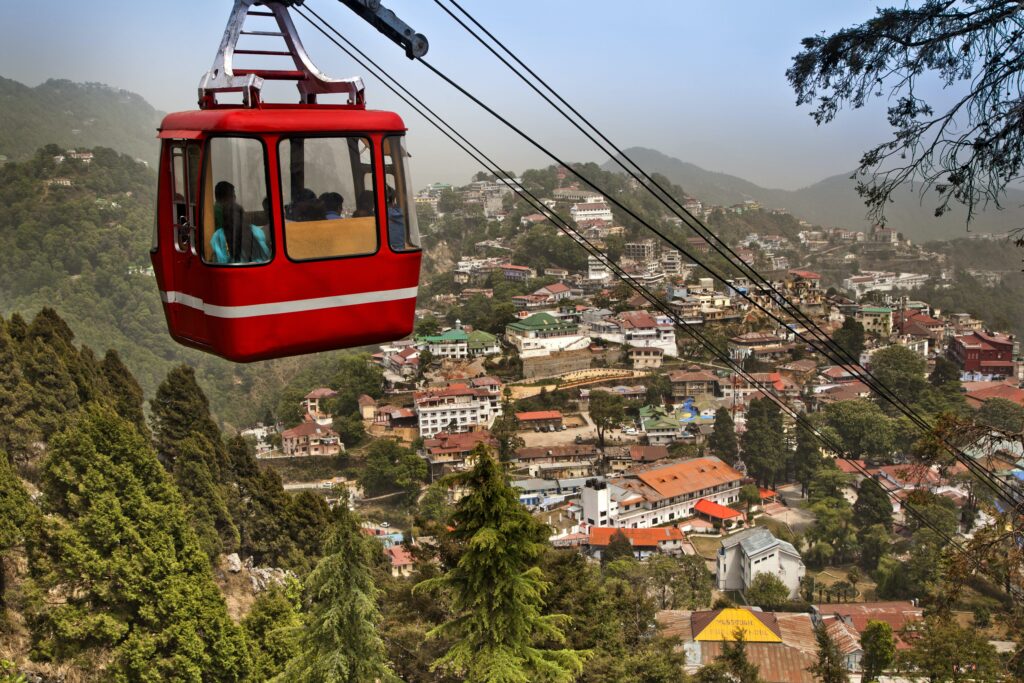
3. Mussoorie
- Highlights: Kempty Falls, Gun Hill, Camel’s Back Road
- Best Time to Visit: April to June, September to November
- Vibe: Romantic hill station with misty walks and colonial architecture
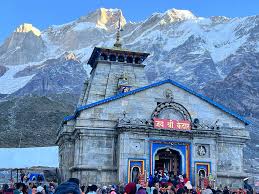
Kedarnath
- Highlights: Kedarnath Temple, Vasuki Tal, trekking routes
- Best Time to Visit: May to October
- Vibe: Sacred pilgrimage site nestled in the Himalayas
Jim Corbett National Park
- Highlights: Bengal tiger sightings, jungle safaris, birdwatching
- Best Time to Visit: November to June
- Vibe: Wildlife haven with lush forests and riverbanks

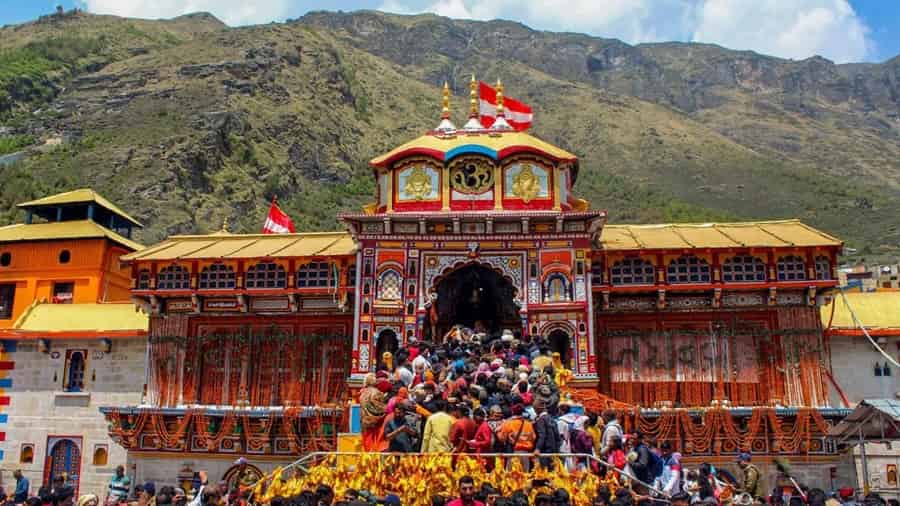
Badrinath
- Highlights: Badrinath Temple, Tapt Kund, Neelkanth Peak
- Best Time to Visit: May to October
- Vibe: Sacred Char Dham site with spiritual and scenic allure
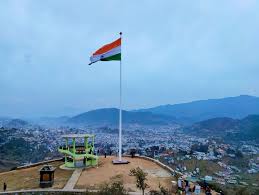
Pithoragarh
- Highlights: Soar Valley, Askot Sanctuary, Dhwaj Temple
- Best Time to Visit: March to June, September to November
- Vibe: Gateway to the Himalayas with rich culture and landscapes
THINGS TO DO….
1. Adventure
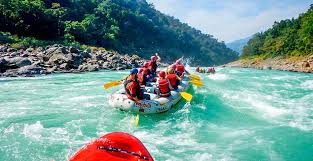
In Uttarakhand, you can enjoy adventures such as rafting and bungee jumping in Rishikesh, trekking to places like the Valley of Flowers or Kedarkantha, and skiing in Auli.
2. Spiritual
In Uttarakhand, you can engage in various spiritual activities by visiting major pilgrimage sites like the Char Dham Yatra (Badrinath, Kedarnath, Gangotri, Yamunotri), Haridwar and Rishikesh, participating in the Ganga Aarti at Har Ki Pauri, or finding solace at ashrams and temples like Kainchi Dham and Parmarth Niketan. Engaging with yoga, meditation, or attending spiritual discourses at these locations offers a deeply rejuvenating experience.
3. Cultural
In Uttarakhand, you can experience culture by visiting holy sites like Haridwar, Rishikesh, Kedarnath, and Badrinath, attending the Ganga Aarti ceremony, exploring ancient temples such as the Katarmal Sun Temple and Jageshwar Temples, and immersing yourself in local traditions by witnessing or participating in festivals and fairs like the Nanda Devi Mahotsav or the Kumbh Mela. You can also visit significant ashrams like the Kainchi Dham and the Beatles Ashram.
4. Wildlife and Nature
In Uttarakhand, engage in wildlife and nature activities by taking a safari at Jim Corbett National Park or Rajaji Tiger Reserve, exploring biodiversity in the Valley of Flowers National Park (a UNESCO site), or trekking through lush forests in Chopta
CULTURE and TRADITION
Uttarakhand Culture
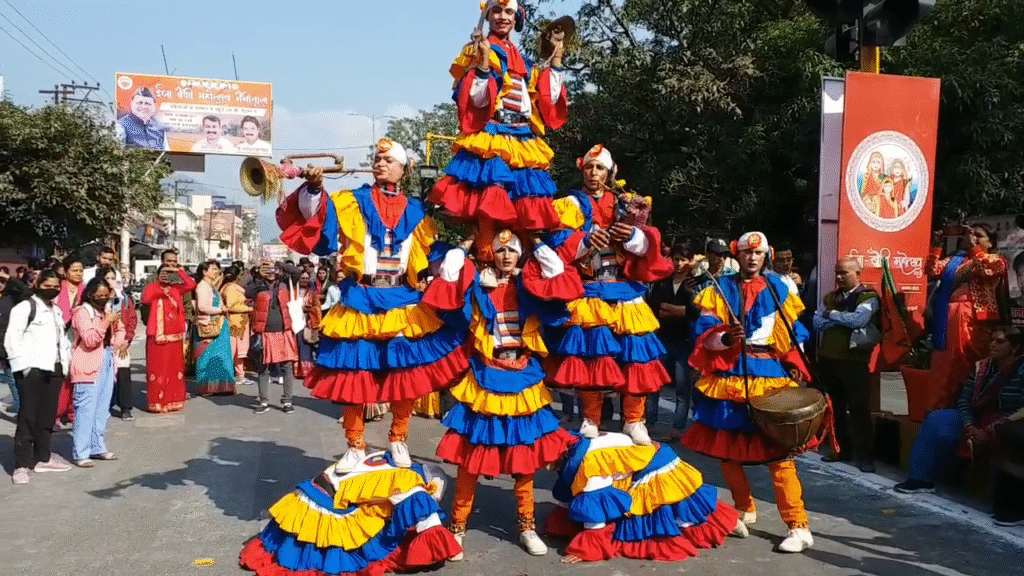
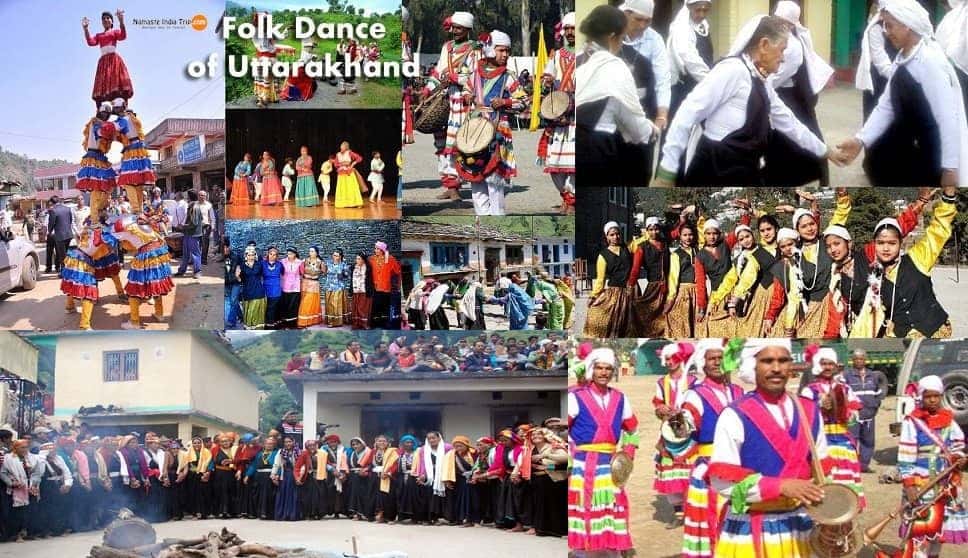
Uttarakhand is a culturally colourful society which is divided into two major regions of Garhwal and Kumaon. The religious, social and cultural urges of the people of Uttarakhand find an expression in various fairs and festivals, which are in turn closely linked to the social and economic activities of the region.
The culture identifies its people uniquely and gives them a meaning. The various traditions, religions, fairs, festivals, folk dances, music are what distinctly separate them from the rest of the crowd. The residents of Uttarakhand are proud of the culture that they follow. The beauty of the state of Uttarakhand is that it houses people belonging to several sub-groups and ethnic groups together under one roof. This article talks about the culture, beliefs and traditions which bind the people of Uttarakhand together.
Religion
A major section of the people in Uttarakhand are Hindus. However, the state maintains a secular ambience with significant number of people belonging to other faiths like Islam, Sikhism, Buddhism and Christianity.
Art & Craft
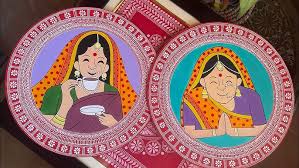
The land of Uttarakhand is full of artisans and variety of art and craft. Both the rural and urban people indulge in producing/manufacturing some incredible crafts that are worth witnessing. Woodwork is a significant art form that the locals of Uttarakhand practise, apart from it, paintings from Garhwal School of Paintings and murals like Aipan demonstrate skills of the natives. The Ringaal Handicraft that is practised by a backward community named the same, is quite appreciable. The Rambaan Handicraft done by using Jute and Hemp also reflects the rich art and craft of Uttarakhand. Apart from it the woollen knitted wear and embroidered cushion covers, carpets, bedsheets and curtains by the rural women or urban women groups are a must buy from Uttarakhand. The candle making skills in the state are also at par excellence, there is an entire market in Nainital that is dedicated to this art.
Lifestyle
The lifestyle in Uttarakhand is heterogenous and one can mark the difference between the urban and rural life in the state. Since Uttarakhand comprises of both hilly and plain terrains that eventually demarcate the lifestyle in the state, and then there are areas in the hill that are remote and difficult to access, where obviously the way of life is entirely different. The urban areas like Dehradun, Nainital, Haldwani, Haridwar and a few others enjoy access to most of the modern facilities like top notch schools, hotels, shopping areas and restaurants with better job offers and economic status. The people are often seen engrossed in trying out the new technology, building better infrastructure and also working towards social reforms. Whereas, in the rural areas, life moves at its own pace, women here are seen taking care of their household as well as the agricultural work and collecting of woods from the forest. With the interference of NGOs and Government aid, many rural areas in Uttarakhand are making their living by selling organic products, handicrafts and homestays. While the urban people in Uttarakhand entertain themselves by going to the cinema or watching tv or indulging in modern sports, the rural gentry still enjoys organizing fairs, performing folk dance and devoting time in traditional art and craft.
Source of Economy
Uttarakhand is largely dependent on its agriculture for the revenue. Basmati rice, wheat, soybeans, groundnuts, coarse cereals, pulses, and oil seeds are the most widely grown crops in the state. There are also fruits like apples, oranges, pears, peaches, litchis, and plums that are widely grown in the state and bring a good amount of revenue. Other key industries for the source of economy include tourism and hydropower, and recently development in IT, ITES, biotechnology, pharmaceuticals, and automobile industries can also be seen in the state.
Dresses & Costumes
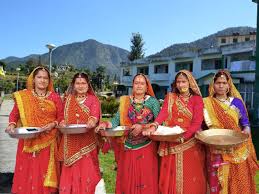
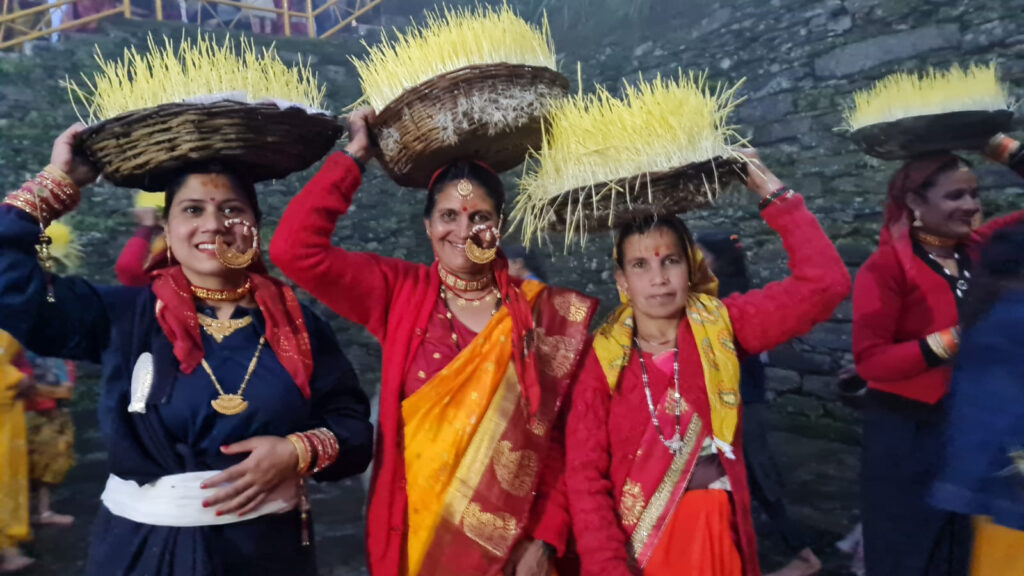
The traditional dress for women in Uttarakhand remains Sarong, a mantle-type dress, tightened with a blouse and an Odani and Khorpi. Whereas in the weddings or special occasion, native women are seen wearing the attractive Rangwali Pichora or Ghagra Choli. A significantly large nose ring (nath) and necklace called Galoband are also worn by the women during festivals/special occasion. The Rangwali Pichora is the dress worn by married women as it represents prosperity. There is also a region wise dress demarcation, in Garhwal Region, the tribal women living in the upper ranges of Uttarkashi and Chamoli wear warm woollens while those in lower regions or valleys can be seen wearing cotton clothes. The Rajput women of the region wear woollen garments made of Angora for most part of the year along with cotton Pagras and colourful Lehengas with silver necklace.
The Garhwali men wear Kurta Pyjama or Kurta dhoti and tie a turban specially in the colder months. They can also be seen wearing long necklaces made of silver and kadas on their hands. In Kumaon Region, the dresses are slightly different for women and so is the choice of colours. Ladies in Kumaon also have a different neck piece called Hansuli. Kumaoni men can be seen wearing same Kurta and Dhoti like the Garhwali men but they seem to be more fond of jewellery and often seen wearing a variety of it in neck and hands. There are different dresses of Jaunsari and Bhotiya tribes in the state. However, in the recent time, the people in Uttarakhand for daily life wear the modern jeans/trousers and t-shirt/shirt irrespective of gender. The women can also be seen in sarees and ladies suit.
Uttarakhand is blessed with a rich Pahari culture. Folk dance and music play a huge part in enriching the culture. Major hindu aswell as some pahari festivals are celebrated here with enormous joy. There are many delicious local delicacies which one can enjoy seasonally.
Garhwali clothing is made from thick material of vibrant colors, the material is kept thick in order to prevent from harsh cold of himalyas.
Traditional dress for Men
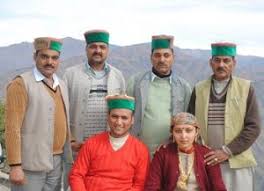
Men wear kurta and payjama which is accompanied by a koti (a woolen coat). they also wear a pahari hat and jewellery on their neck and wrist as accessories.
Traditional dress for women
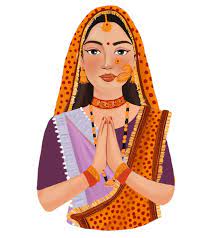
Women in the pithoragarh district wear saree. But their saree is tied differently, the pallu goes around the waist in order to show the most decorated part of saree. They also wear silver jewellery called hansuli
Women in kumaon region dress differently, they wear long skirts called Ghagri along with choli and ohrni. Ghagri can also be accompanied by a full sleeves shirt depending on the cold.
Women also wear a special type of dupatta which has a golden or silver lace this dupatta is called pichhora.
Here is a list of some FAQs related to Uttarakhand culture:
What are the main languages spoken in Uttarakhand?
The primary language spoken in Uttarakhand is Hindi. However, there are also local dialects like Garhwali and Kumaoni, spoken in the Garhwal and Kumaon regions respectively.
What is the traditional attire of Uttarakhand?
The traditional attire varies by region. In Garhwal, men typically wear woolen shirts and dhotis, while women wear ghagras and cholis with a phulia (head covering). In Kumaon, the attire is similar, but the style and color patterns differ.
What are some famous festivals in Uttarakhand?
Uttarakhand celebrates several festivals, with the most notable being Kumbh Mela (held every 12 years in Haridwar), Makar Sankranti, Baisakhi, Teej, and Harela. These festivals are marked with local rituals, dances, and prayers.
What are the famous dance forms of Uttarakhand?
Some popular dance forms include Garhwali and Kumaoni dances such as Choliya (a martial dance) and Jhora, often performed during festivals and cultural events. Kaili is another dance performed by women during religious ceremonies.
What type of music is popular in Uttarakhand?
Traditional folk music, particularly Garhwali and Kumaoni songs, holds great significance. Instruments like the dhol, damru, and rabab are commonly used in local performances. The region also has a rich tradition of devotional music.
What is the cuisine of Uttarakhand like?
Uttarakhand’s cuisine is a mix of simple yet flavorful dishes. Aloo ke gutke, frying daal, kadhi, and bhatt ki chudkani are some traditional dishes. Thechwani and Kachmauli (stuffed meat) are also popular.
What is the significance of Uttarakhand’s temples and pilgrimage sites?
Uttarakhand is known as Devbhoomi (Land of Gods) due to its many important Hindu pilgrimage sites. These include Char Dham (Yamunotri, Gangotri, Kedarnath, and Badrinath), Haridwar, Rishikesh, and Hemkund Sahib (a Sikh pilgrimage).
What are the major crafts and handicrafts of Uttarakhand?
Uttarakhand is known for its rich tradition of handicrafts, such as wood carving, woolen textiles, Kumhar pottery, and stone carving. The region is also famous for Pashmina shawls and handmade woolen blankets.
What are some traditional rituals and customs in Uttarakhand?
Traditional rituals include the Kailash Yatra, Holi, Diwali, and Makar Sankranti celebrations. Harela is a harvest festival celebrated by planting wheat or barley and performing rituals for prosperity.
How does the culture of Uttarakhand reflect its natural surroundings?
Uttarakhand’s culture is deeply connected to nature. The people of Uttarakhand live in harmony with the environment, and their rituals, festivals, and livelihoods are influenced by the mountains, rivers, and forests that surround them. Their music, dance, and art often reflect the beauty and challenges of living in such a rugged landscape.
Uttarakhand’s culture is a vibrant tapestry woven from its rich traditions, rituals, and deep connection to nature. The distinct Garhwali and Kumaoni cultures add a unique charm to the region, each with its own language, music, dance, and customs. From the vibrant festivals like Kaili, Choliya, and Harela, to the traditional attire and crafts, the culture of Uttarakhand reflects the strength and beauty of its people. The Garhwali and Kumaoni communities are known for their warm hospitality, resilience, and strong cultural values. Whether you’re visiting for its sacred sites, cultural festivals, or the warmth of its people, Uttarakhand offers a truly unforgettable experience steeped in history.
Food Of UTTARAKHAND
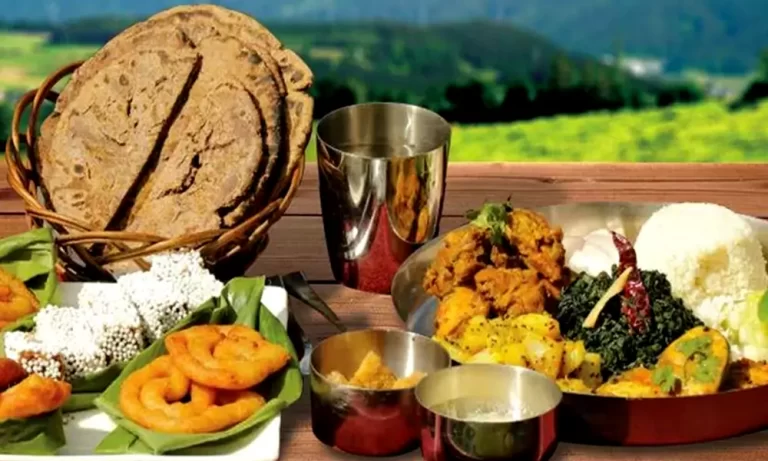
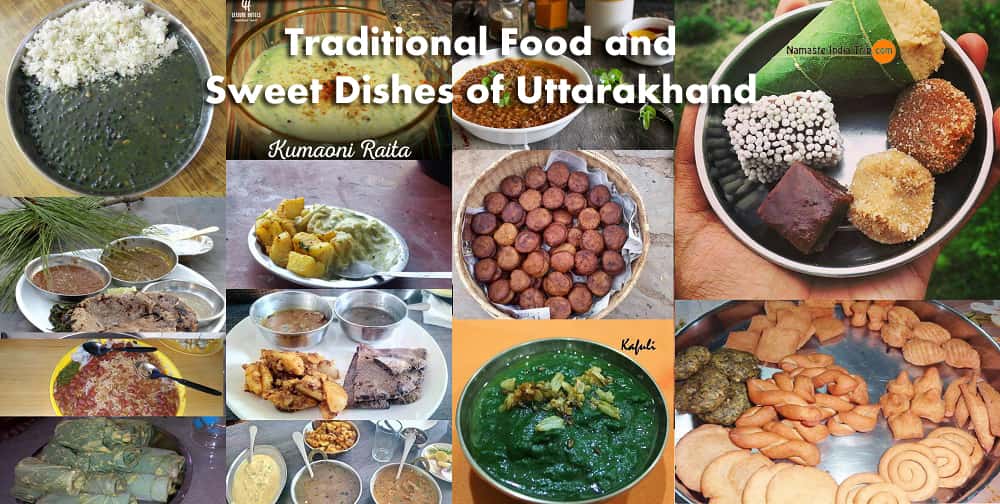
The cuisine of Uttarakhand is simple, yet tasty. People of Uttarakhand use local produce to cook most of the dishes. They grow millet, beans, cereals, and vegetables locally in the hilly areas of Uttarakhand.
10 Delicious Foods of Kumaoni
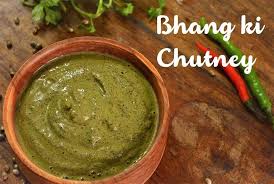
- Bhang Ki Chutney
- Aloo Ke Gutkey
- Kandalee Ka Saag
- Dubke
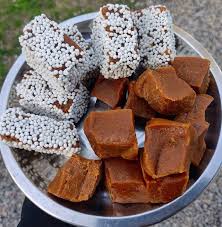
- Bal Mithai and Singori
- Palak Ka Kaapa
- Mandua Ki Roti
- Pahari Gaderi Ki Sabzi
- Bhatt Ki Churkani
- Bhatt Ka Jaula
Travel Guide
As previously discussed, Uttarakhand is a state in the Himalayas, divided into the Garhwal and Kumaon regions, each offering unique attractions. Known as Devbhoomi, or “Land of the Gods,” it is a popular destination for spiritual travelers and adventure enthusiasts alike.
Best Time To Visit
The best time to visit depends on the specific region and the kind of experience you are seeking.
- March to June (Summer): This is the peak tourist season, offering cool and pleasant weather for visiting hill stations like Nainital and Mussoorie. It is also the ideal time for trekking and outdoor activities, and for undertaking the Char Dham Yatra.
- July to September (Monsoon): Heavy rainfall is common during these months, especially in hilly regions, and can cause landslides and road blockages. While not ideal for extensive travel, the monsoon enhances the state’s natural beauty, making it a good time for nature lovers and photographers. The Valley of Flowers National Park, a UNESCO World Heritage Site, is in full bloom during this season.
- October to February (Winter): This season is perfect for winter sports like skiing in Auli and for experiencing snowfall in higher-altitude regions. Lower-altitude regions remain pleasant but cold, making it a good time for a quiet retreat. It is also a good time for wildlife viewing at Jim Corbett National Park.
How To Reach?
- By Air: The most convenient airport for the Garhwal region is Jolly Grant Airport (DED) in Dehradun, which has regular flights from major Indian cities like Delhi and Mumbai. For the Kumaon region, Pantnagar Airport (PGH) is the gateway to locations like Nainital and Jim Corbett National Park.
- By Train: Major railheads in Uttarakhand are located in the foothills, including Dehradun, Haridwar, and Kathgodam. These stations connect the state to major Indian cities. For example, the Dehradun Shatabdi Express is a popular train from New Delhi.
- By Road: A vast network of national and state highways connects Uttarakhand to neighboring states. The Uttarakhand Transport Corporation (UTC) operates an extensive fleet of government buses, while private operators also provide bus services. The drive from Delhi to popular tourist destinations typically takes several hours.
Accomodation
Uttarakhand offers a wide range of accommodation options, from luxury resorts to budget-friendly guesthouses.
- Luxury Hotels and Resorts: Upscale properties like JW Marriott Mussoorie Walnut Grove Resort & Spa and Taj Rishikesh Resort & Spa offer high-end amenities and services.
- Mid-Range Hotels: Options like Lemon Tree Premier Jim Corbett and Fairfield by Marriott Dehradun provide a comfortable stay with good facilities.
- Budget Accommodation: Guesthouses and homestays are abundant, particularly in smaller towns and trekking routes, offering affordable and authentic local experiences.
- Eco-lodges and Camps: For nature and adventure lovers, eco-lodges and camping sites are available, especially in places like Rishikesh and Chopta
Local transportation
- Buses: The Uttarakhand Transport Corporation (UTC) provides bus services that connect major towns and cities within the state. These are a cost-effective way to travel, especially between prominent hubs like Dehradun, Haridwar, and Nainital.
- Taxis and Shared Jeeps: Taxis can be hired for point-to-point travel and sightseeing, offering comfort and flexibility. In hilly areas, shared jeeps are a popular and economical option for reaching smaller towns and villages.
- Private Cars: For the most flexibility and convenience, especially when traveling with family, you can hire a private car with a driver. This is ideal for covering multiple destinations and remote locations.
- Helicopter Services: For spiritual journeys to places like Kedarnath, helicopter services are a popular choice to save time and effort.
- Ropeways: In tourist areas like Nainital and Auli, ropeways offer a unique way to enjoy scenic views and access certain points.
Blog / Articles
Uttarakhand is home to many offbeat and hidden destinations that offer a serene escape from crowded tourist spots. From trekking routes and bird-watching havens to ancient temples and colonial-era retreats, here are 10 of the top hidden destinations in Uttarakhand.
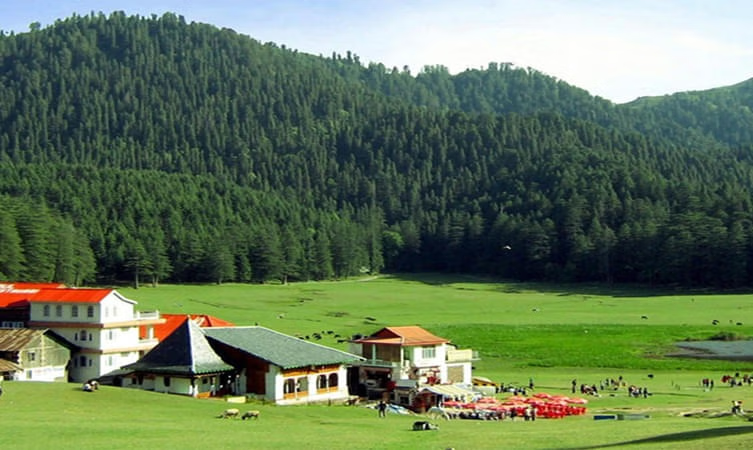
Khirsu
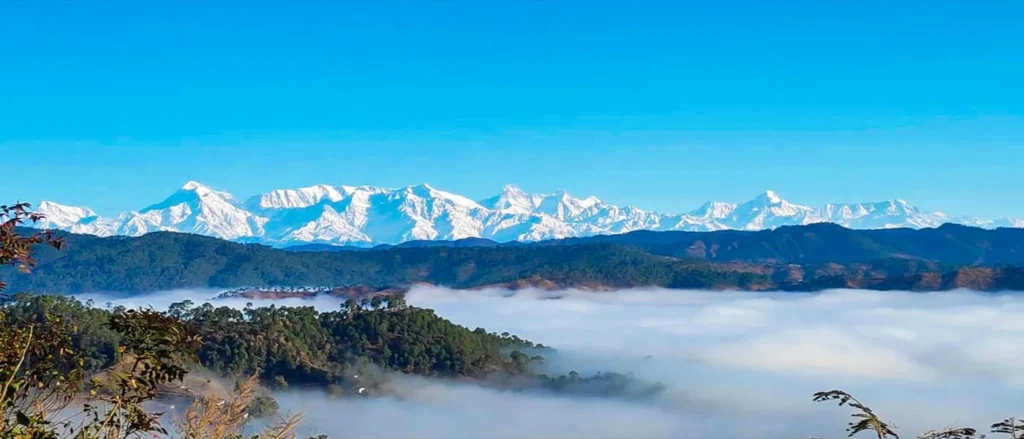
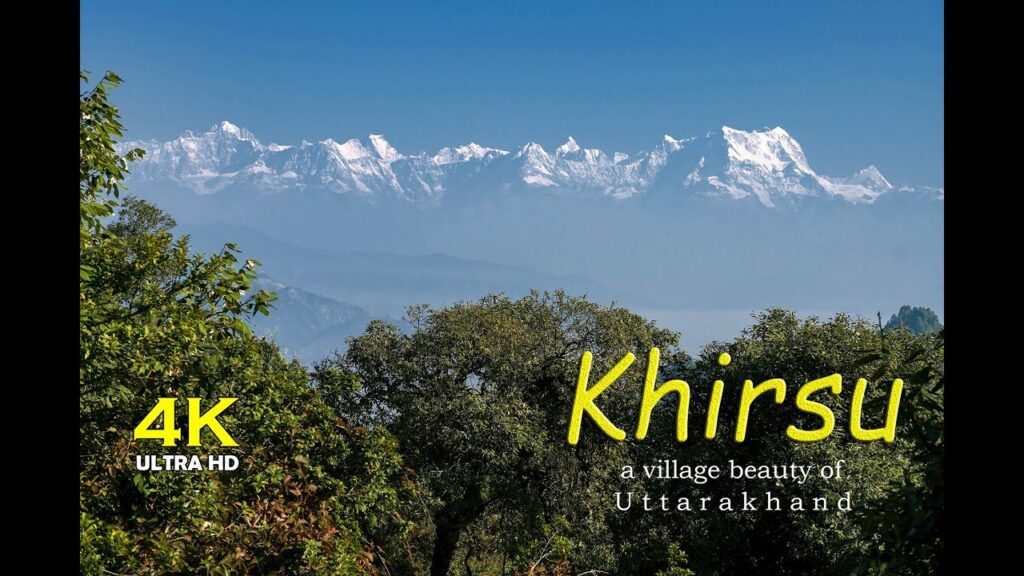
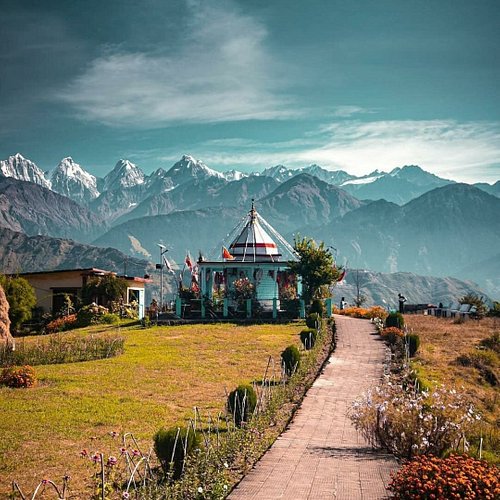
This quaint village offers spectacular panoramic views of the Himalayas and a serene atmosphere.
- Best for: Nature walks, enjoying tranquil vistas, and reconnecting with nature.
- Location: Pauri Garhwal district
Munsiyari
Known as “Little Kashmir,”
Munsiyari is a hidden jewel in the Pithoragarh district, offering breathtaking views of the Panchachuli peaks.
- What to do: Trekking is a primary attraction, with routes to the Milam and Ralam glaciers. During spring, the area comes alive with blooming rhododendrons.
- Why it’s hidden: Its remote location requires a long drive, which keeps away the usual tourist crowds.
Chopta
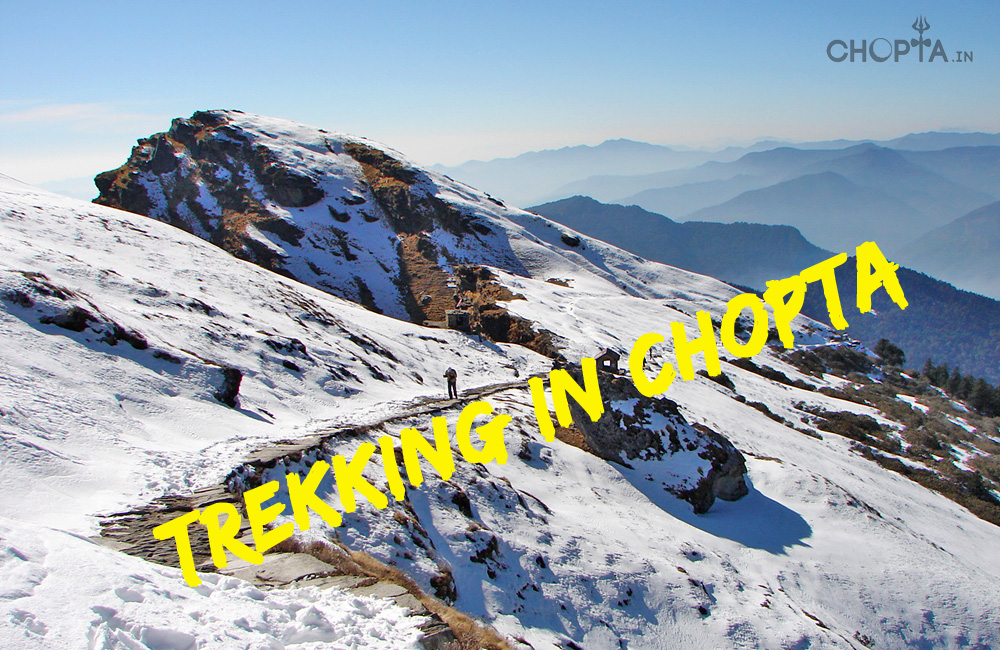
Referred to as the “Mini Switzerland of India,” Chopta is a picturesque village nestled in the Kedarnath Wildlife Sanctuary.
- What to do: It’s the base for treks to Tungnath, the highest Shiva temple in the world, and the Chandrashila summit for panoramic views.
- Why it’s hidden: While popular with trekkers, it remains more secluded than mainstream hill stations, offering peaceful meadows and forests.
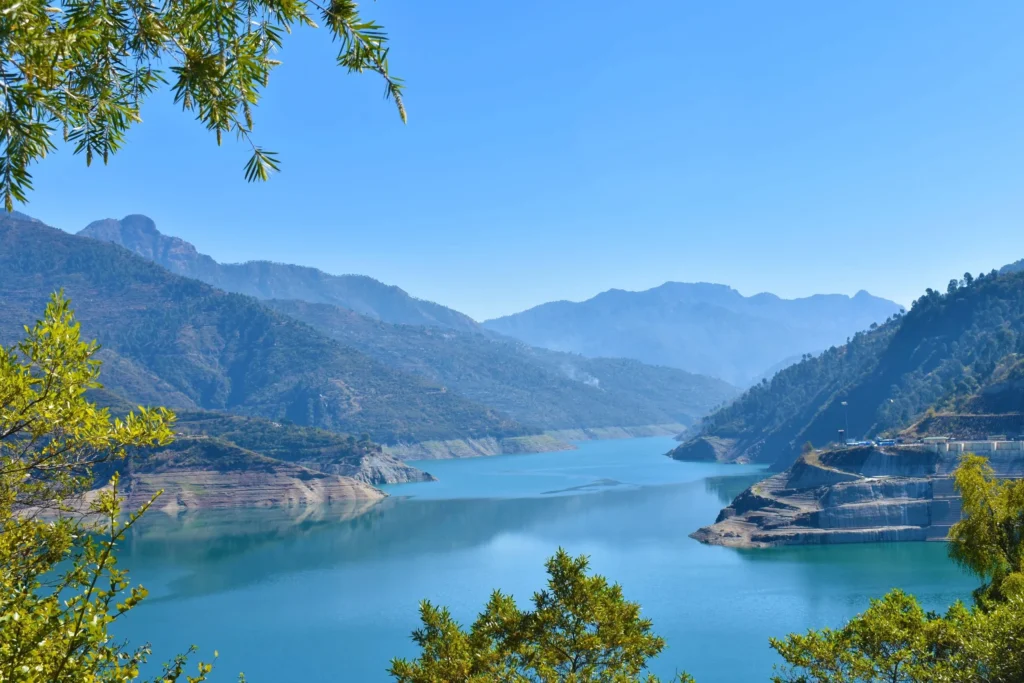
Kanatal
Located between Mussoorie and Chamba,
Kanatal is a quiet hill station perfect for solitude seekers.
- What to do: Go camping, stargazing, or take nature walks through the dense pine forests. The Surkanda Devi Temple is a short hike away.
- Why it’s hidden: Despite its proximity to Mussoorie, it retains an untouched and secluded charm.
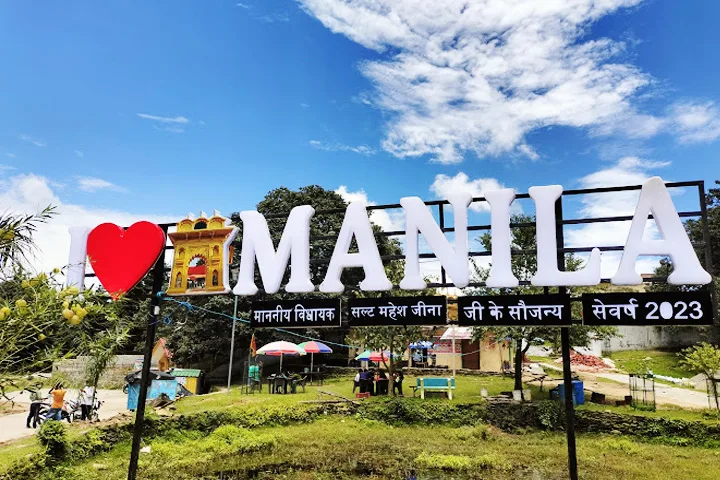
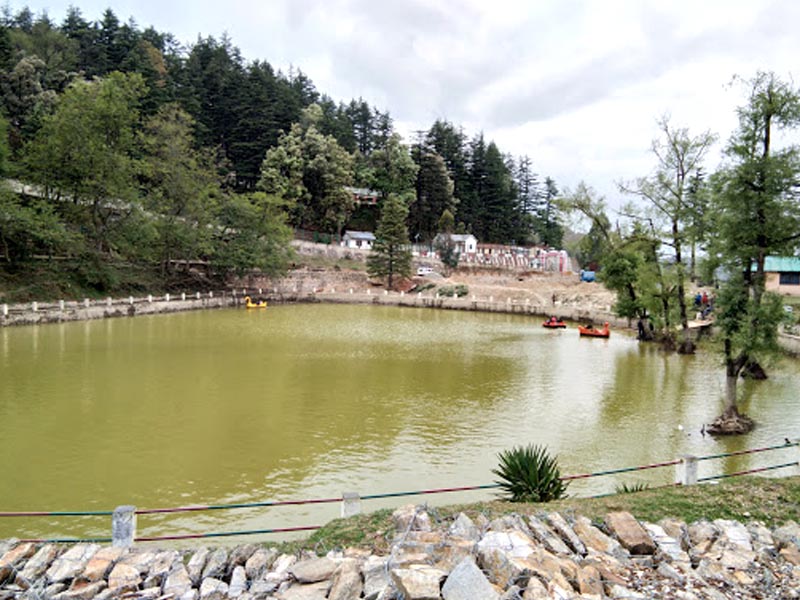
Manila
For a truly off-the-beaten-path experience in the Kumaon region, Manila is a village known for its crimson sunsets and breathtaking Himalayan views.
- What to do: Enjoy the view of the surrounding forests and distant peaks. A nearby highlight is the confluence of three rivers at Bhikiyasain.
- Why it’s hidden: This relatively unexplored village offers a deep connection with nature and a truly rustic pace of life.
Gwaldam
This sleepy hill station lies on the border of the Kumaon and Garhwal regions and offers stunning views of the Trishul and Nanda Devi peaks.
- What to do: Go trekking to the Badhangari Temple or enjoy a picnic by the man-made Macchi Tal.
- Why it’s hidden: Away from the main tourist trail, Gwaldam offers unparalleled beauty without the crowds.
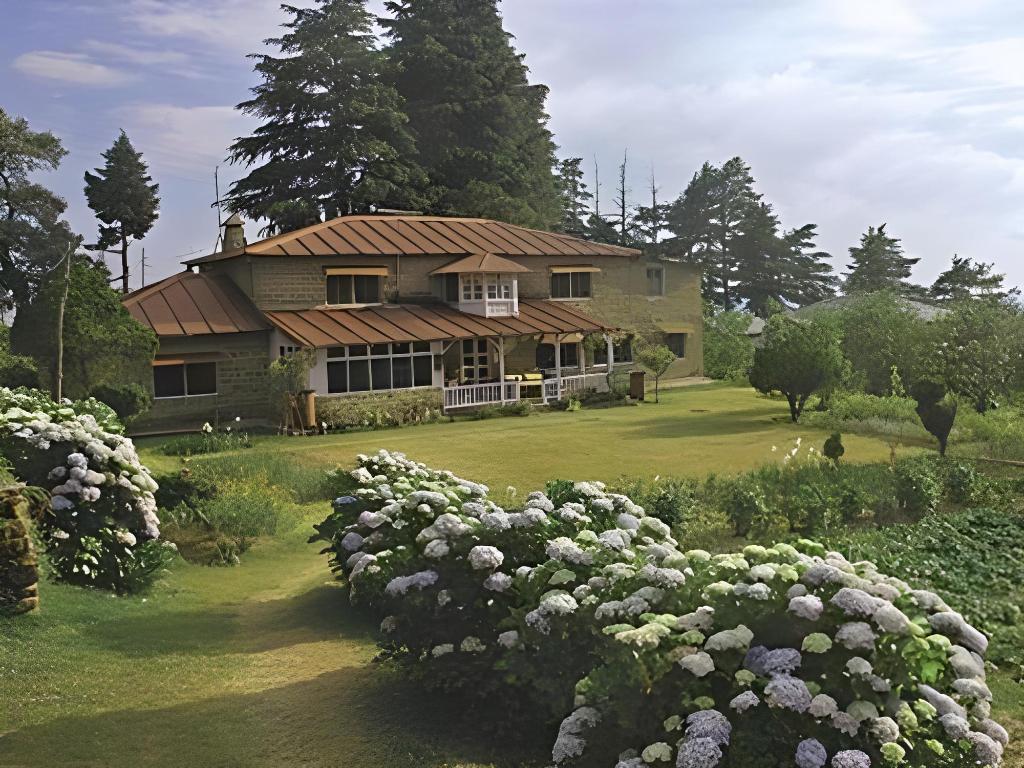
Abbott Mount
Step back in time at this small, colonial-era hill station in the Champawat district.
- What to do: Explore the old cottages and a picturesque church, and enjoy spectacular views of the hills.
- Why it’s hidden: Its unique charm and historical bungalows are tucked away from the more commercialized tourist hubs.
Peora
A village hidden within the Kumaon hills, Peora is known for its unspoiled natural beauty and fruit orchards.
- What to do: Take walks through the peaceful countryside and stay in homestays to enjoy the fresh mountain air.
- Why it’s hidden: This less-frequented spot offers an authentic village experience and is ideal for those looking for complete relaxation.
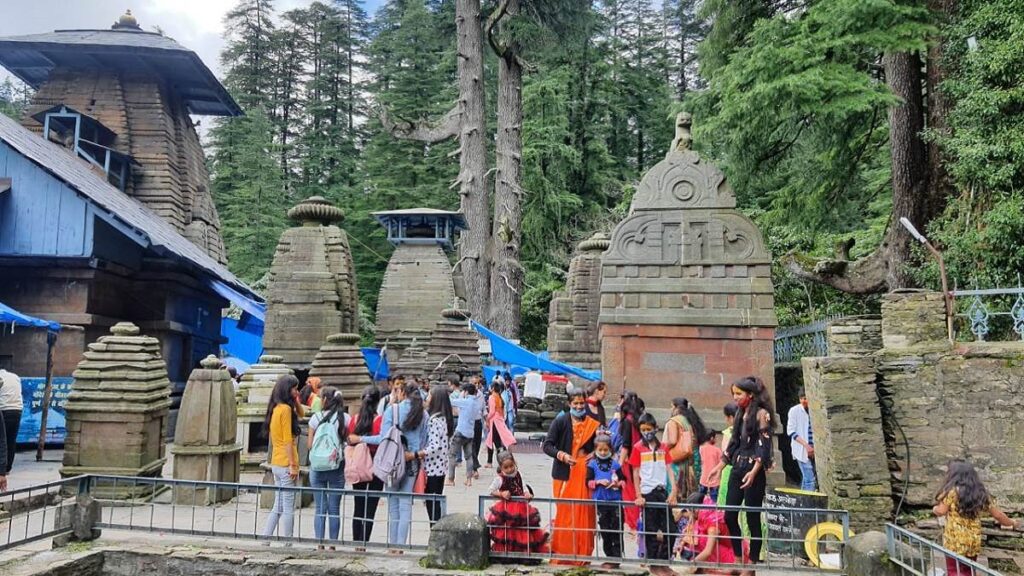
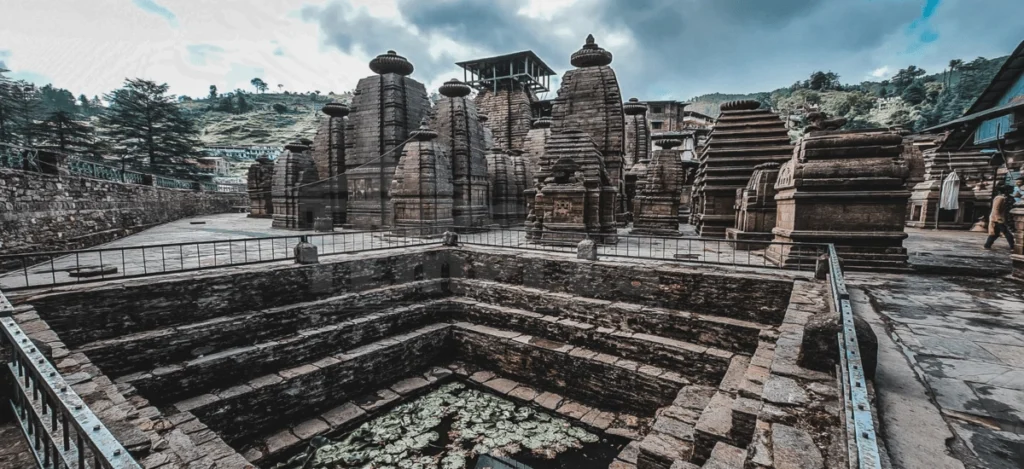
Jageshwar
A spiritual and architectural marvel in the Kumaon region,
Jageshwar is home to a cluster of over 100 ancient stone temples dating back to the 9th century.
- What to do: Admire the intricate temple carvings, visit the nearby archaeological museum, and soak in the serene atmosphere of this ancient town.
- Why it’s hidden: Located away from the major tourist routes, Jageshwar offers a peaceful and spiritual experience.
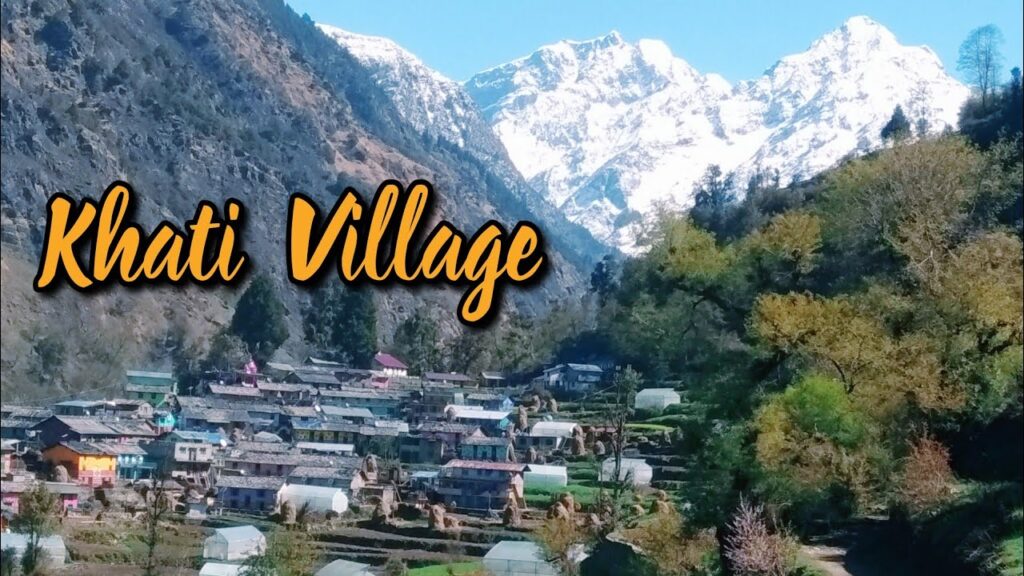
Khati Village
As the last inhabited village on the Pindari Glacier trek,
Khati offers stunning peak views and warm local hospitality.
- What to do: Stop here during your trek to the Pindari Glacier or use it as a base to explore other remote areas.
- Why it’s hidden: Being accessible only by trekking, it remains a secluded and untouched paradise for adventure seekers.
Why you must visit Auli in winter?
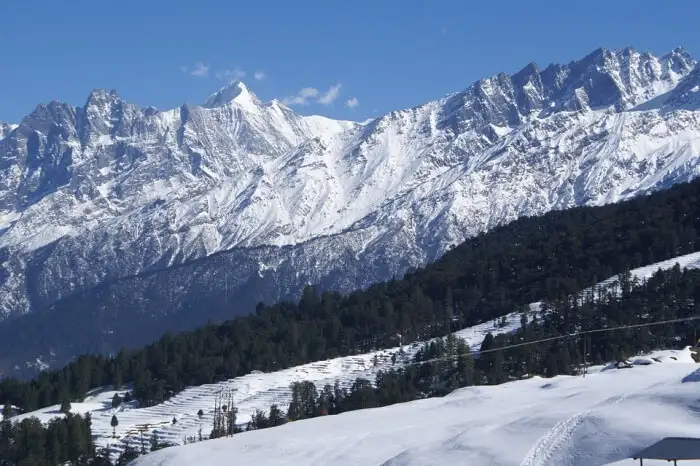
Auli is a year-round destination, but winter turns it into a fairytale destination no one wants to miss. The weather in Auli remains cool throughout the year, and the temperature does not exceed 20 degrees Celsius. During winter, expect the temperature to dip to -8 degrees Celsius. The season starts in the month of November, which starts receiving rainfall, and ends in the month of February. This season is the best time to indulge in skiing as the magic unfolds in these months of the year. You can also witness the scenic views of snowfall in Auli in December.
10 Reasons To Visit Auli In Winter
You are missing heaven, and that’s why we are compelled to give you 10 compelling reasons to resent staying home over the long weekend last month.
- The Journey: Find Yourself Through The Bus Windows
- Sunsets & Sunrises: Spot Moon & Sun
- Views: 360 Degree View Of The Himalayas, Nanda Devi
- Snowfall: In Auli’s Most Quaint Lands
- Trekking: Trek To The Gurson Bugyal
- Skiing: Glide On The Snow Carpet
- Snow Games & Photos: To Make Memories Forever
- Chair Car Ride: Asia’s Longest Gondola Ride
- Trips: Sojourns Through The Legends Of Devbhoomi
- Food: Best Of The Garhwali Cuisine